Dermatologist Andrea Combalia tells us how to combat cellular oxidation and revitalise the skin with a more luminous result.
90% of premature ageing is caused by cellular oxidation. "Also known as oxidative damage, it is a process that alters cellular structure (including DNA, proteins and lipids) and appears as a result of exposure to external factors, such as ultraviolet radiation from the sun, environmental pollution and stress, which contribute to the generation of free radicals that produce cellular damage that accelerates ageing," explains dermatologist Andrea Combalia. The result is duller skin that lacks luminosity and radiance. We spoke to the expert about how to combat this skin condition and revitalise the skin.
How can the effects of cellular oxidation be reduced?
It is important to adopt a holistic approach to skin care and minimise exposure to all those external factors that can prematurely damage our skin (pollution, tobacco, alcohol, stress, excessive ultraviolet radiation, free sugars, processed foods...), as well as including repairing and protective active ingredients that help minimise damage at a cellular level, such as antioxidants like vitamin C, a balanced diet, daily sun protection and correct hygiene and hydration.
We hear a lot about autophagy linked to intermittent fasting, how does this apply to the skin?
It is a natural regeneration mechanism that occurs in our body at the cellular level and contributes to the degradation of damaged cellular components. It is a kind of "cellular cleansing" which, at the skin level, eliminates "aged cells" and components damaged by oxidative stress. When it fails or is compromised, cellular damage accumulates, the effects of oxidative stress accumulate and, consequently, cellular ageing increases. In cosmetics, research into this process is key to developing active ingredients that maintain a proper cellular balance while promoting proper skin regeneration.
Is it possible to illuminate the skin, combat ageing and moisturise at the same time?
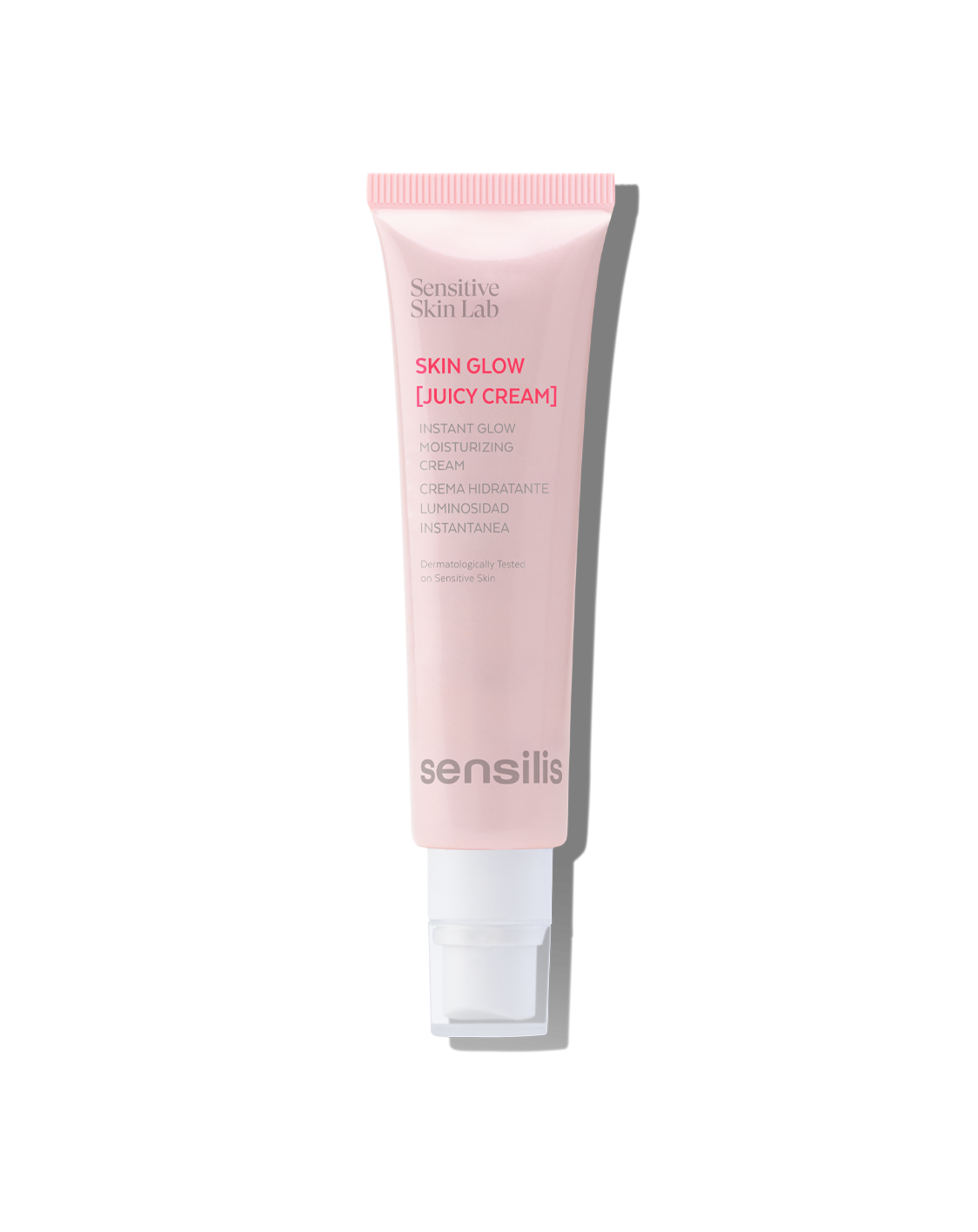
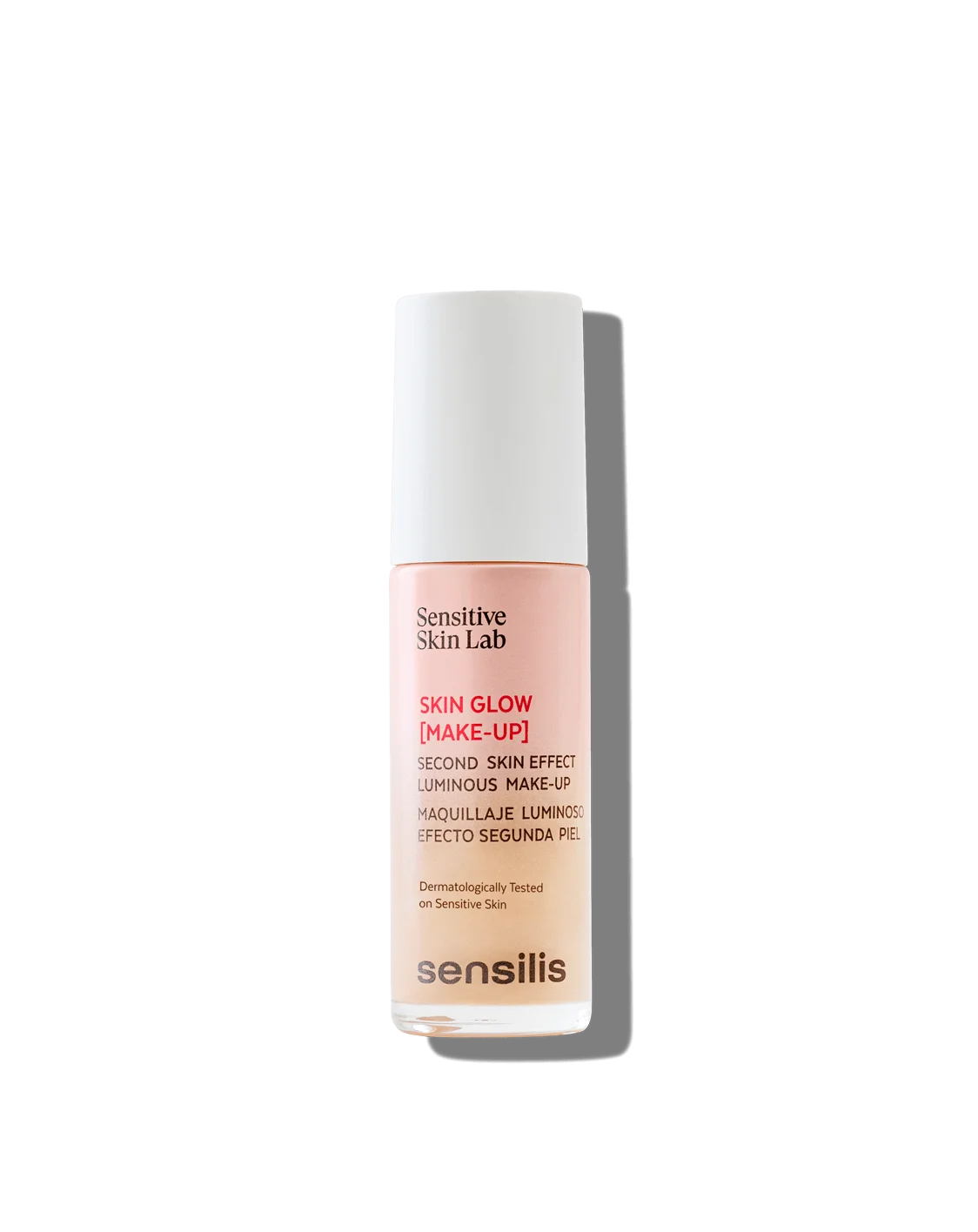
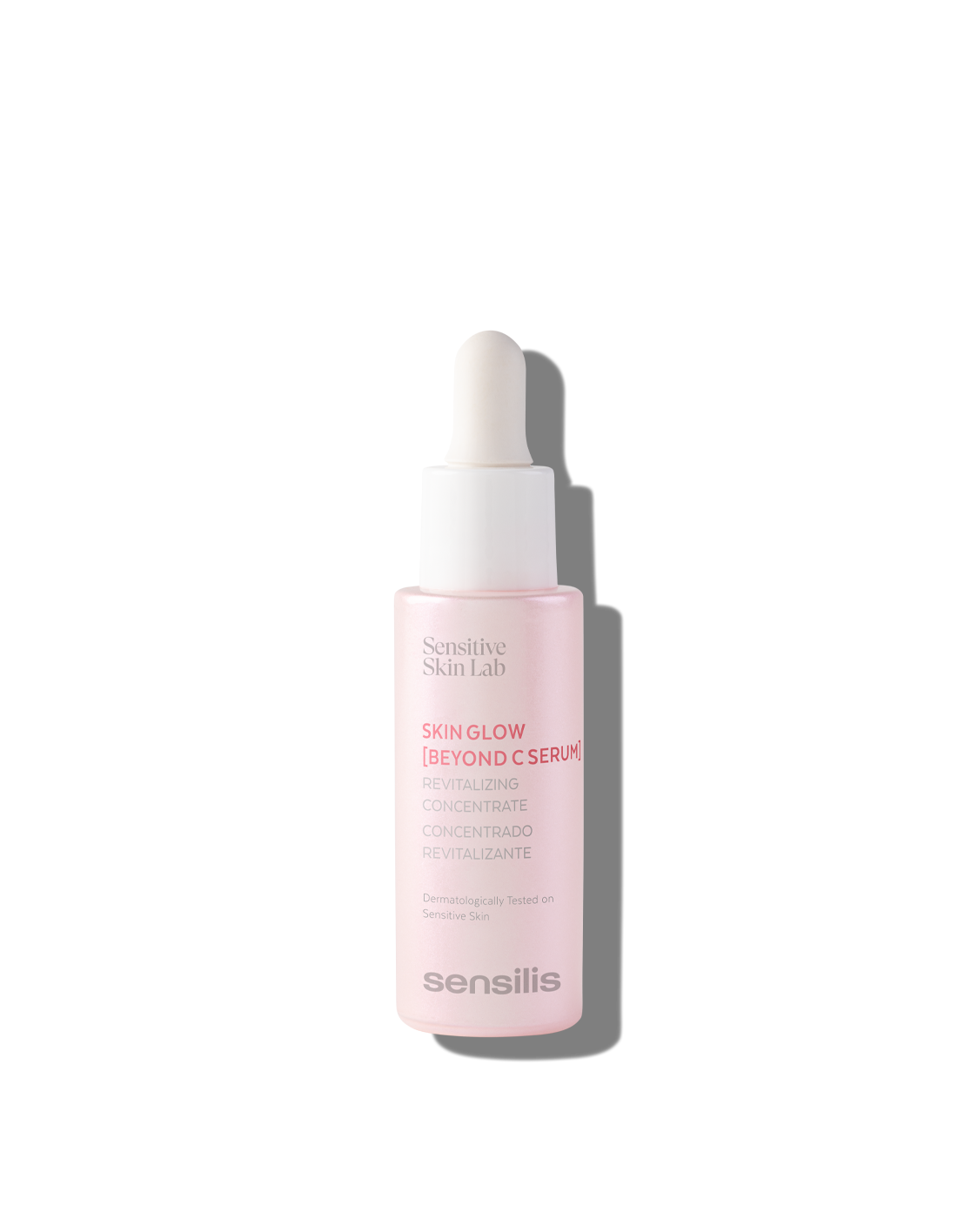
Today, it is possible to find formulations that provide luminosity and hydration to the skin, while reducing and slowing down cellular ageing. Combining antioxidants such as vitamin C with other active ingredients such as provitamin B5 (panthenol), which contributes to cell regeneration, improves the skin barrier and skin elasticity, or low molecular weight hyaluronic acid that moisturises and regenerates to achieve the glow effect. There is also folic acid (vitamin B9), which is very important for the maintenance of our cells and its topical use is very new.
How do you achieve this triple feat on sensitive skin?
Fortunately, sensitive skin can now also benefit from an antioxidant and regenerative effect. The key is to find a formula with high tolerability that is rich in antioxidant and regenerating moisturising ingredients, tested and designed especially for sensitive skin. Combining low molecular weight hyaluronic acid, effective vitamin C but formulated in a way that minimises its irritating effect (e.g. in the form of ethyl ascorbic acid), vitamin B5 and B9, soothing actives (such as dipotassium glycyrrhizinate) and plant extracts rich in alpha hydroxy acids (AHAs) in a single product is a winning cocktail for sensitive skin.
Article published in Woman with Andrea Combalia @pielsanaincorporesano. Dermatologist at the Hospital Clínic de Barcelona and author of the book "Piel sana in corpore sano" - October 2023